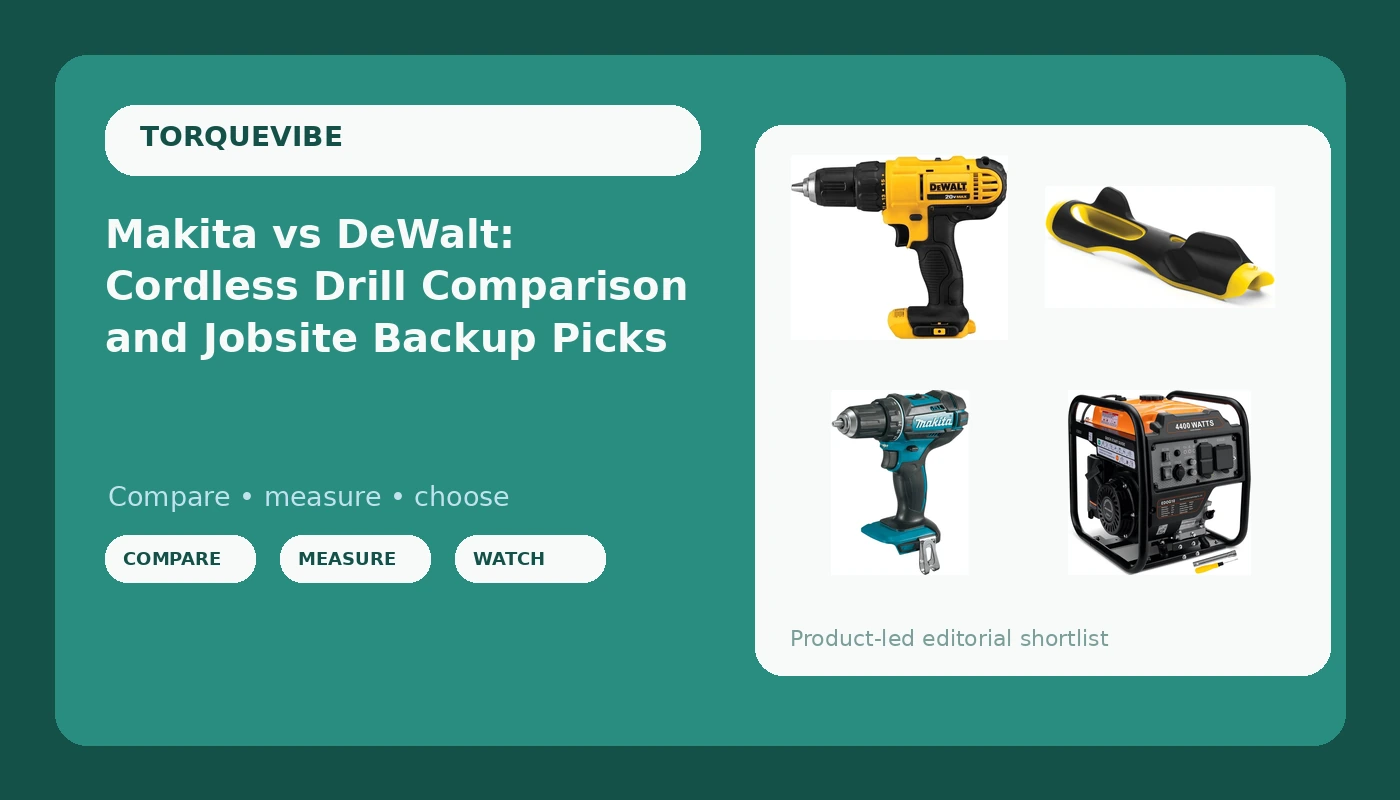
I've got a wall in my Cleveland shop that's covered in dead tools. Thirty-some drills and drivers, plus one hammer drill that caught fire mid-pour and a screwgun whose brushes smoked like a campfire. Nothing goes on that wall without earning its death, and nothing earns a recommendation from me without surviving the way a contractor actually works: a long deck build, a tired arm, and a 40-degree morning with stiff fingers. This cordless drill comparison started as an argument about two compact drills, the DeWalt DCD771B and the Makita XFD10Z, and then it grew into something bigger. A truck doesn't run on drills alone. There's the power you need when the house you're working in has no live outlets yet, and there's the grip in your hands that decides whether you can still hold a tool at hour six.
For most people, the DeWalt DCD771B is the right first drill here, because 20V MAX is the platform with the most tools hanging on it and the compact body goes places a full-size drill will not. The Makita XFD10Z is the pick for anyone who cares about trigger feel and chuck quality more than raw numbers. The Oxseryn 4400-watt inverter generator is the backup power answer, and the SKLZ golf grip trainer is the cheap fix for the hands that hold all of it.
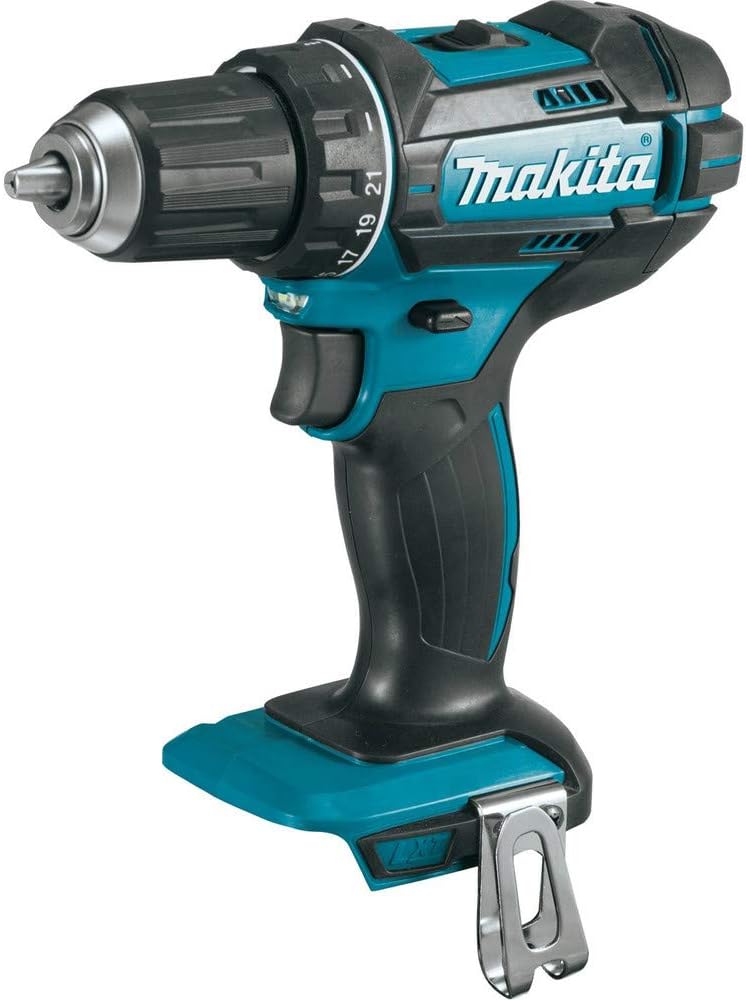
Makita XFD10Z 18V LXT Cordless Driver-Drill
Best trigger feel and chuck control in this class, on one of the longest-running battery platforms in the trades
Tool only, so the battery and charger you don't see in the listing are the real cost of entry
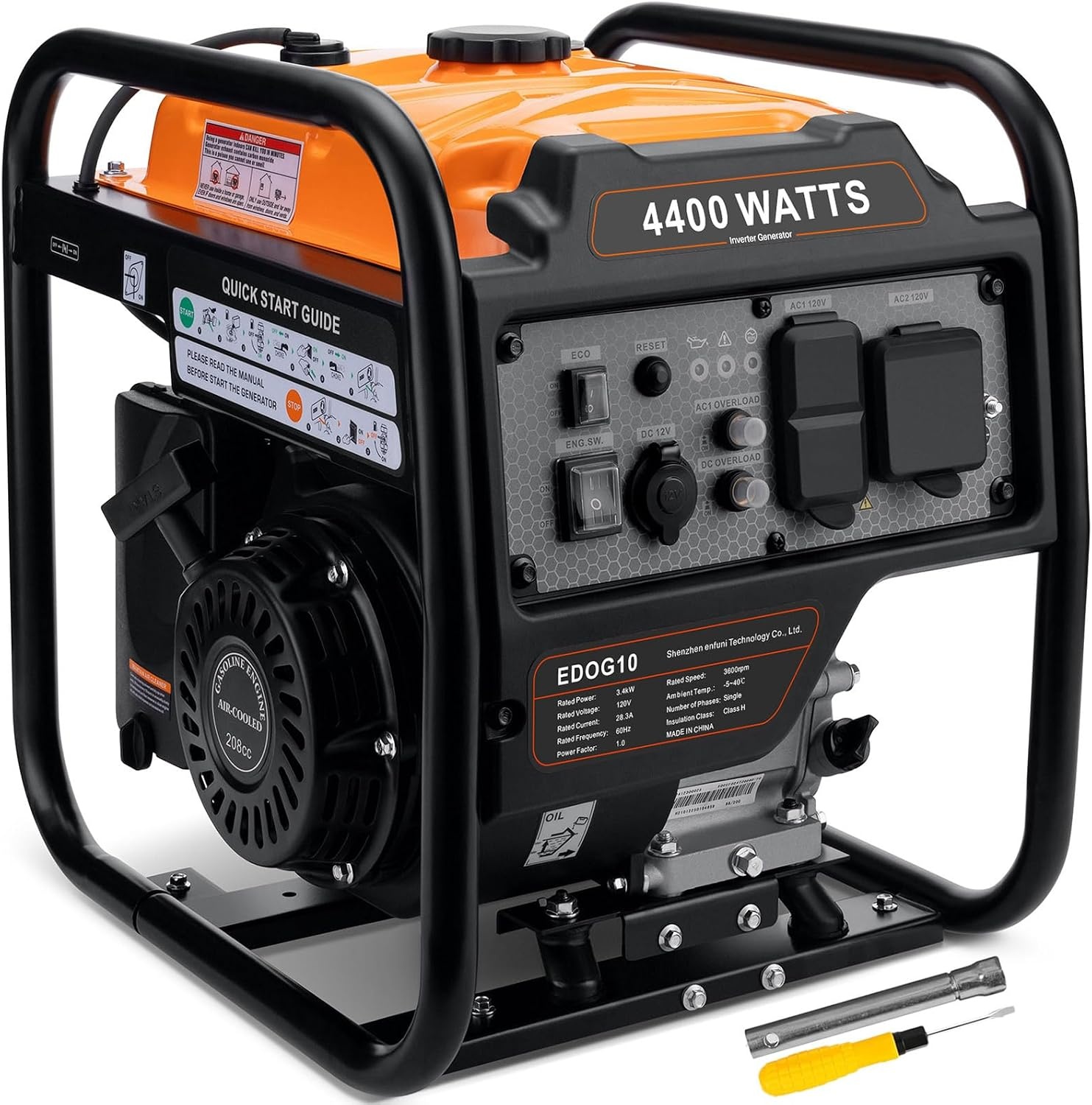
Oxseryn 4400-Watts Inverter Generator, Open Frame, Gas Powered
4400 watts of inverter power, 30A RV-ready outlet, EPA compliant, keeps a gutted house working when the panel is dead
Gas means oil changes, stale fuel, and a pull cord that hates February; it's a backup machine, not a daily driver
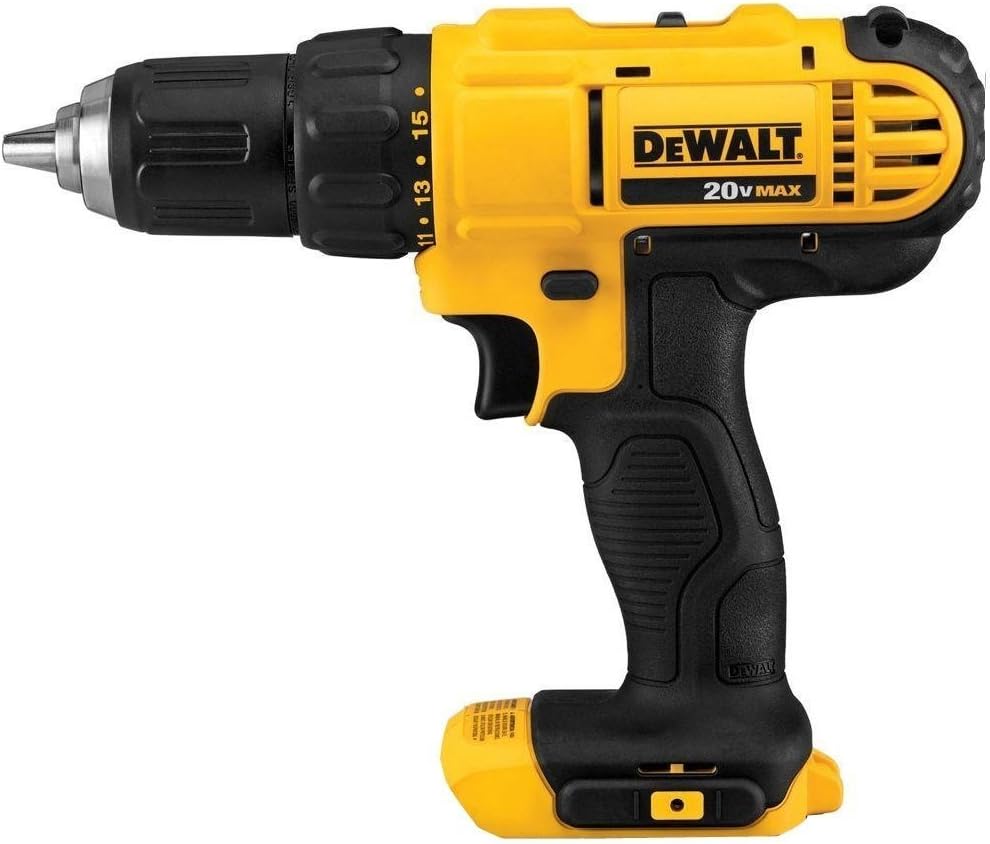
DeWalt DCD771B 20V MAX Cordless 1/2 inch Compact Drill Driver
20V MAX is the widest tool family in the trades, and the compact body fits where a full-size drill won't
Bare tool, and a compact drill has limits once you're boring big holes through wet lumber
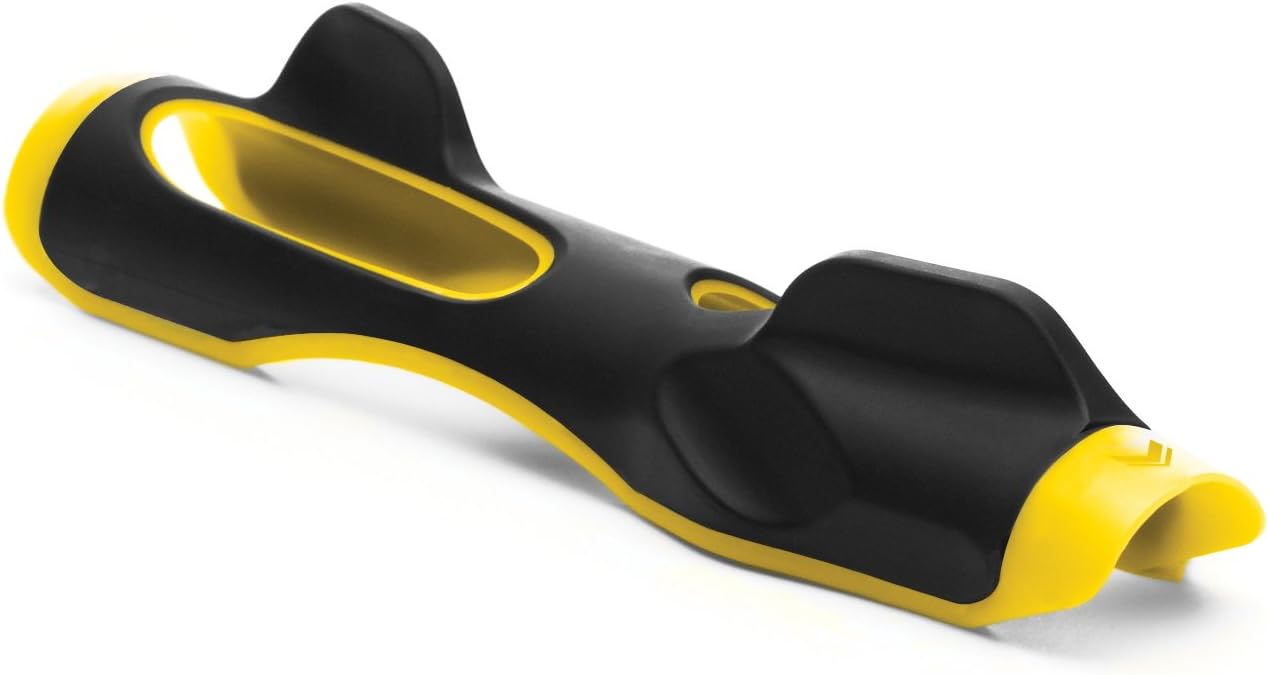
SKLZ Golf Grip Trainer, Club Attachment for Hand Positioning
Trains the hands that hold every handle in the truck, right-handed, fits standard grips from driver to wedge
It's a golf aid, not a jobsite tool, and left-handed players are out
Prices and availability were captured from Amazon Creators API and may change.
What actually matters when you're buying
Three things decide whether a drill survives my truck, and none of them are printed on the front of the box.
The first is the chuck. A chuck that slips is a tool that lies to you. It bites on the first fifty screws and then starts rounding bits on a Friday afternoon when you're already behind schedule. I check a chuck by hand before anything else, and I check it again after a couple hundred bit changes, because that's where cheap jaws show themselves.
The second is the battery platform, and this is the part people get wrong. You are not buying a drill. You are buying into a family of tools, batteries, and chargers you'll still be married to in ten years. A drill that saves you a few bucks today on a platform nobody supports in 2032 is the most expensive tool in the truck.
The third is honesty about what class of tool you're holding. Compact drills are wonderful. They fit between studs, they fit in a cabinet, they fit in a pouch. They are also not impact drivers, and they are not the tool for a 3-inch deck screw driven by the hundred. Buying a compact drill and asking it to do impact driver work is how people end up with smoke coming off a motor.
DeWalt DCD771B 20V MAX compact drill driver
The DCD771B is a 20V MAX compact drill driver with a 1/2-inch chuck, sold as a bare tool. That last part matters, and I'll get to it.
What makes it the pick for most people is the platform behind it. 20V MAX is the deepest lineup in the trades. Drills, impacts, saws, lights, nailers, blowers, and one battery family that all of them share. When I hand an apprentice a DeWalt, I'm not handing them a drill. I'm handing them a decade of tools they can add to without buying a new charging system every time.
The compact body is the other half of the argument. A drill that lives in your bag instead of on a shelf is a drill you actually use. If you're hanging cabinets, running trim, or driving pilot holes in tight corners, a smaller body beats a bigger motor almost every time.
Where it loses is at the edges. Compact drills are not the tool for boring big holes through wet lumber all afternoon, and a bare tool means batteries and a charger are a separate purchase that changes the math on day one.
Makita XFD10Z 18V LXT driver-drill
The XFD10Z is an 18V LXT driver-drill with a 1/2-inch chuck, variable speed, tool only.
Makita's reputation in my world is about feel. Trigger control and chuck quality are the two things I hear about most from guys who run LXT, and those are the two things that decide whether a drill feels like a tool or like a toy. Variable speed matters more than people give it credit for. Feathering a trigger to start a screw is the difference between a clean set and a stripped head, and a drill that jumps from zero to full speed will fight you all day long.
LXT is also one of the longest-running battery platforms in the trades. That matters if you're the kind of person who keeps tools for fifteen years instead of replacing them every time a marketing cycle rolls around. When I'm deciding whether a platform is worth marrying, I ask one question: can I still buy batteries and parts for this in five years? LXT has answered that question for a long time.
Where the Makita loses is the same place the DeWalt does, and then some. Tool only means no battery, no charger, no bag. If you don't already own LXT batteries, the drill is the cheap part of the purchase.
Oxseryn 4400-watt inverter generator
Now the odd one in a drill article, except it isn't odd at all if you've ever stood in a gutted house with no power.
The Oxseryn is a 4400-watt inverter generator, open frame, gas powered, with a 30A RV-ready outlet and EPA compliance. Inverter is the important word here. Inverter output is cleaner and steadier than conventional generator power, which is what you want when a battery charger, a laptop, or a fridge shares the circuit with your tools.
For me this is a backup machine. When a storm takes the grid down in Cleveland, the truck becomes the power company. A generator in this class runs the fridge, the sump pump, some lights, and a battery charger so the drills are ready when the power comes back and the real work starts. The 30A outlet makes it a reasonable fit for RV use too, which is where a lot of these machines spend their lives.
Where it loses: it's gas. That means oil changes, stale fuel if you forget about it, and a small engine making noise in your driveway. It's also a machine that wants to be exercised, not left in a closet for two years. Buy it if you have a real reason to own it.
SKLZ golf grip trainer
Let me be straight with you: this is a golf training aid. It's not a jobsite tool and I'm not going to pretend otherwise. But it's on this list for a reason, and the reason is hands.
The SKLZ grip trainer is a club attachment for hand positioning and muscle memory. It's right-handed, it fits standard grips from driver to wedge, and it's a compact aid for practice and pre-round warm-up.
So why is a contractor writing about it? Because the thing that fails first on a long day usually isn't the drill. It's your grip. Hand fatigue shows up in your trigger finger, your wrist, and your ability to keep a bit straight at hour six. Anything that trains your hands to hold a handle the same repeatable way is worth the money to me, and this is the smallest, simplest thing on the list.
Where it loses: it's right-handed only, so lefties are out, and if you don't play golf it's a paperweight. I'm not going to sell you a golf aid as a drill accessory. But if you want a cheap way to build grip discipline that carries over to every handle you pick up, this does it.
Bare tool versus kit: the math people skip
Two of the four products here are drills sold as bare tools. No battery, no charger. That's not a trick, it's how the trades buy, and it's the right way to buy if you're already on the platform. You don't need a fourth charger and a sixth battery. You need the tool.
But if you're starting from nothing, the bare tool is only the first payment. You need at least two batteries and a charger. Add that up and the real cost of entry is higher than the number that got your attention. I've watched guys buy a bare tool, realize they can't use it, buy a cheap aftermarket battery, and then wonder why the tool feels weak. Don't do that. Buy the platform's batteries from the platform.
The rule I give people: if you own batteries, buy bare tools forever. If you own nothing, buy one kit with two batteries and a charger, then buy bare tools for the rest of your life.
The platform decision is the real purchase
Here's the thing I've said to more apprentices than I can count: the drill is not the purchase. The battery is the purchase.
Every tool you buy for the next ten years is shaped by the platform you pick today. Batteries age out, chargers get lost, tools get replaced, but the platform stays. Switching mid-career is expensive, and I've done it, and I'd rather not do it again.
So pick the platform first. If you're a homeowner who wants one drill, a trim saw, and a light, pick the one with the best battery availability near you. If you're working every day, pick the one your crew already runs, because shared batteries on a jobsite are worth more than any spec on a box.
What I'd buy, and in what order
If you're starting from zero and you want to build a truck that works, here's the order.
First, one drill and one platform. The DeWalt DCD771B is the safest first step for most people because 20V MAX gives you the widest set of tools to grow into. The Makita XFD10Z is the better choice if you already know you value trigger feel and you're ready to commit to LXT.
Second, batteries. Two minimum, three if you work alone all day. One battery is a hobby. Two batteries is a job.
Third, backup power, and only if you need it. The Oxseryn generator earns its place if you work in houses without live power, if you RV, or if a winter storm knocking out your sump pump is a real fear. If none of those apply, skip it and put the money into batteries.
Fourth, the cheap stuff that makes you better. The SKLZ grip trainer is a small purchase that pays off in your hands and your wrists, and it's the kind of thing you buy once and forget about until you notice you're not fighting the tool anymore.
The bottom line
Two drills, one generator, one golf aid, and a single thread running through all four: the tool is never the whole purchase. The platform, the power, and the hands holding it decide how the job goes.
The DeWalt DCD771B is my pick for most people starting out. The Makita XFD10Z is the one for feel. The Oxseryn is the backup machine for the day the grid quits. And the SKLZ trainer is the reminder that the strongest motor in the truck is still your grip.
If you're buying one thing today, buy the drill that matches the platform you plan to own in ten years. Then buy batteries. Then buy the rest.