Every hunt for affordable power tools runs into the same wall. You get a page of torque numbers, a page of prices, and no answer to the question that actually decides whether the money was well spent: will this thing still be earning its keep when the job is finished?
I ran a contracting crew in Cleveland for 22 years. Decks, basements, kitchens, the whole rusty Midwest menu. In that time I learned that a tool almost never kills a project by itself. What kills a project is starting the cut before you know what is behind the drywall, or tearing into a repair with no plan for putting it back together. So this roundup treats the best affordable power tools question the way a foreman would. Buy the knowledge first, then buy the tool that fits the job in front of you. The five references below make up a working shelf: whole-house repair, project planning, home security, attic insulation, and upholstery work. None of them will blow a hole in a tool budget, and every one of them answers questions a drill cannot.
Related: Best Cordless Drills for the Money
Quick answer
The Family Handyman Whole House Repair Guide Vol. 2 is the strongest fit for most homeowners because it is the widest single-volume repair reference in this lineup, built around 300+ step-by-step repairs, hints, and tips aimed at today's homeowners. Choose My Projects And Shit instead when the job in front of you is planning and tracking a long list of projects rather than diagnosing a repair.
Affordable power tools worth comparing
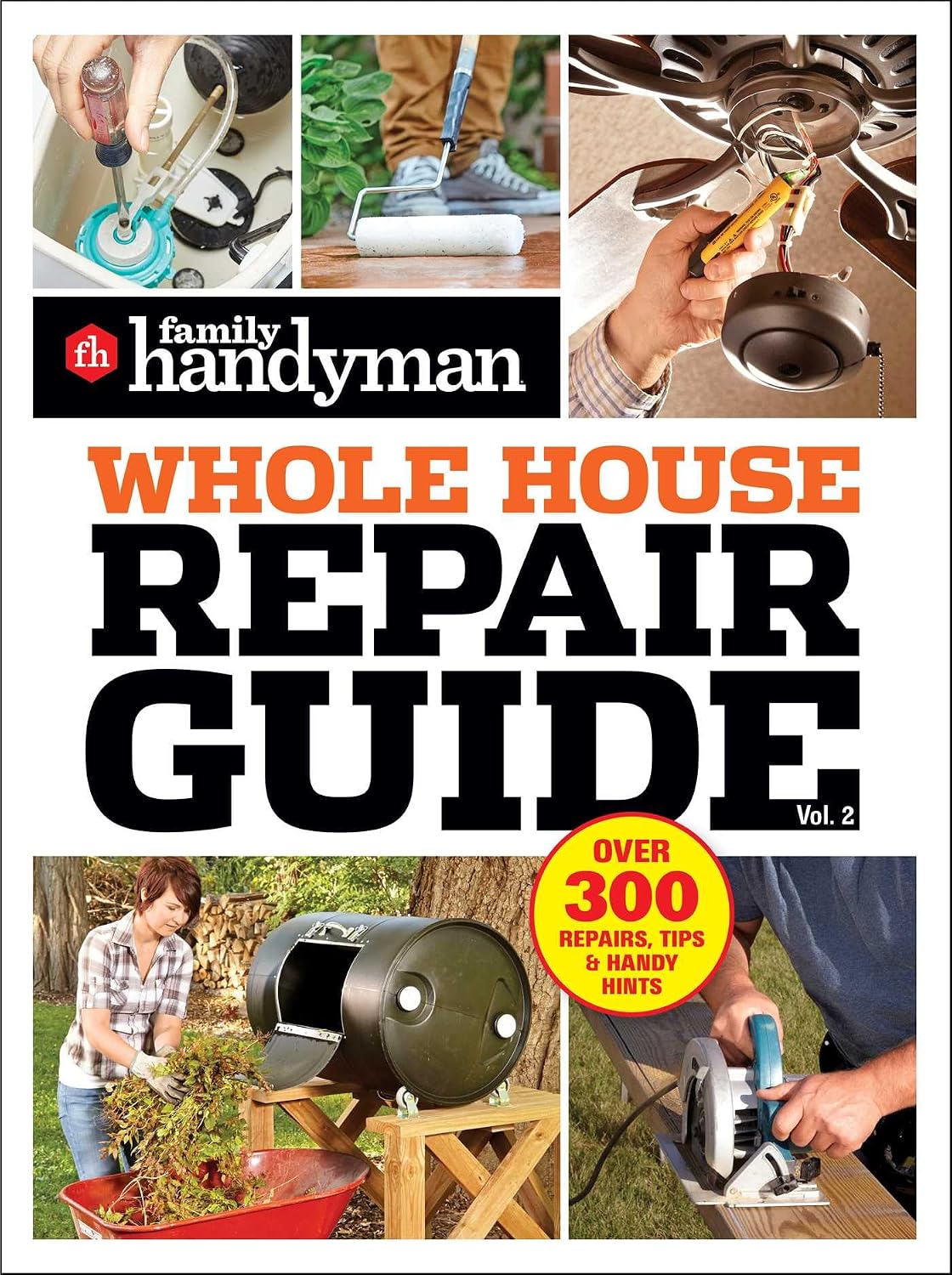
Family Handyman Whole House Repair Guide Vol. 2: 300+ Step-by-Step Repairs, Hints and Tips for Today's Homeowners
A repair reference built around 300+ step-by-step fixes, hints, and tips for homeowners. The broadest single-volume coverage on this list, and the one to reach for when you do not yet know how a repair should go.
Visit on Amazon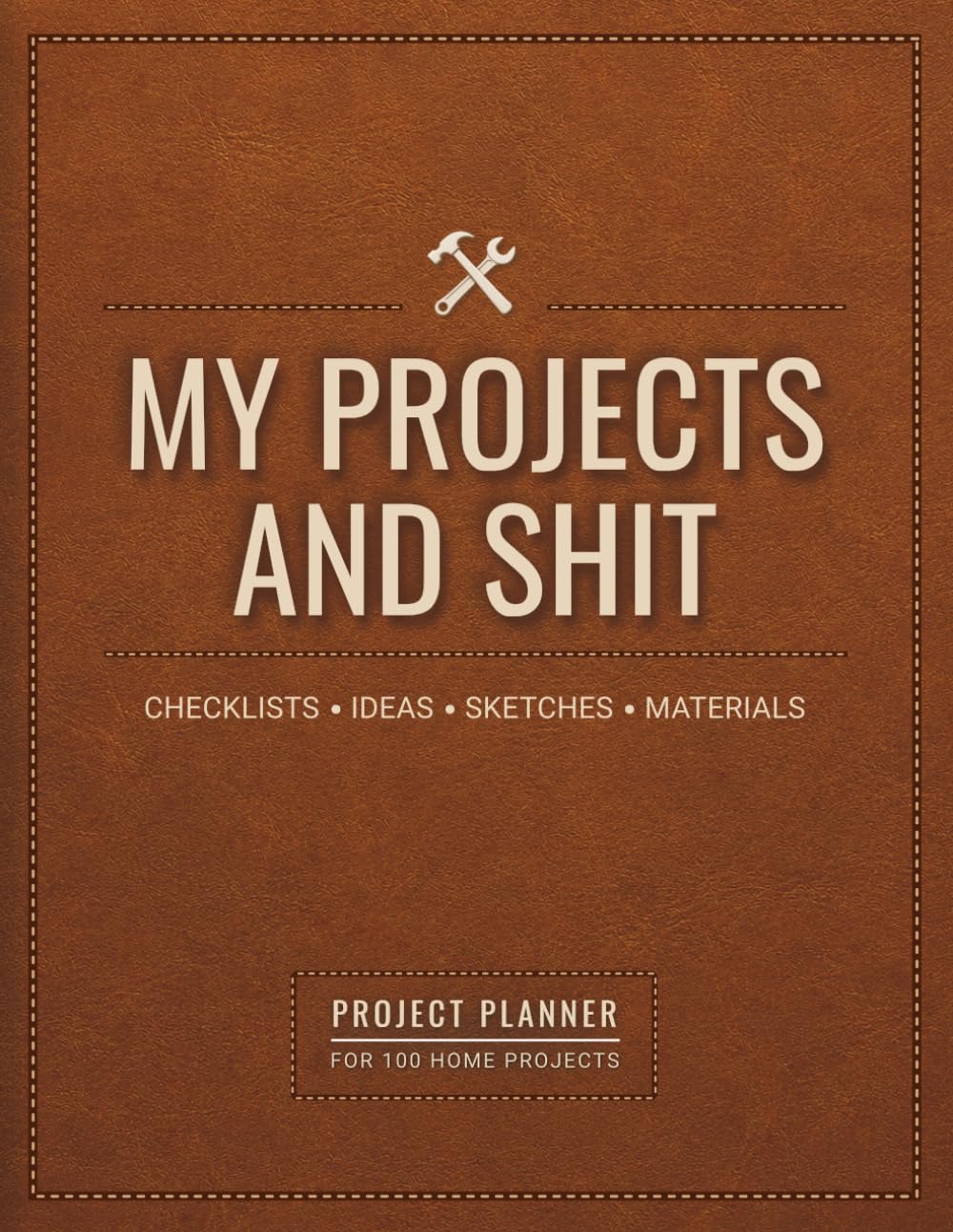
My Projects And Shit: Handy Room By Room DIY Organiser | With Project/Task To Do Checklist - Plan Each Project With Ideas, Sketches, Materials ... Rating, Etc | For 100 Home Projects
A room-by-room DIY organiser with project and task checklists, space for ideas, sketches, and materials, plus a rating field, laid out for 100 home projects. Planning rather than instruction.
Visit on Amazon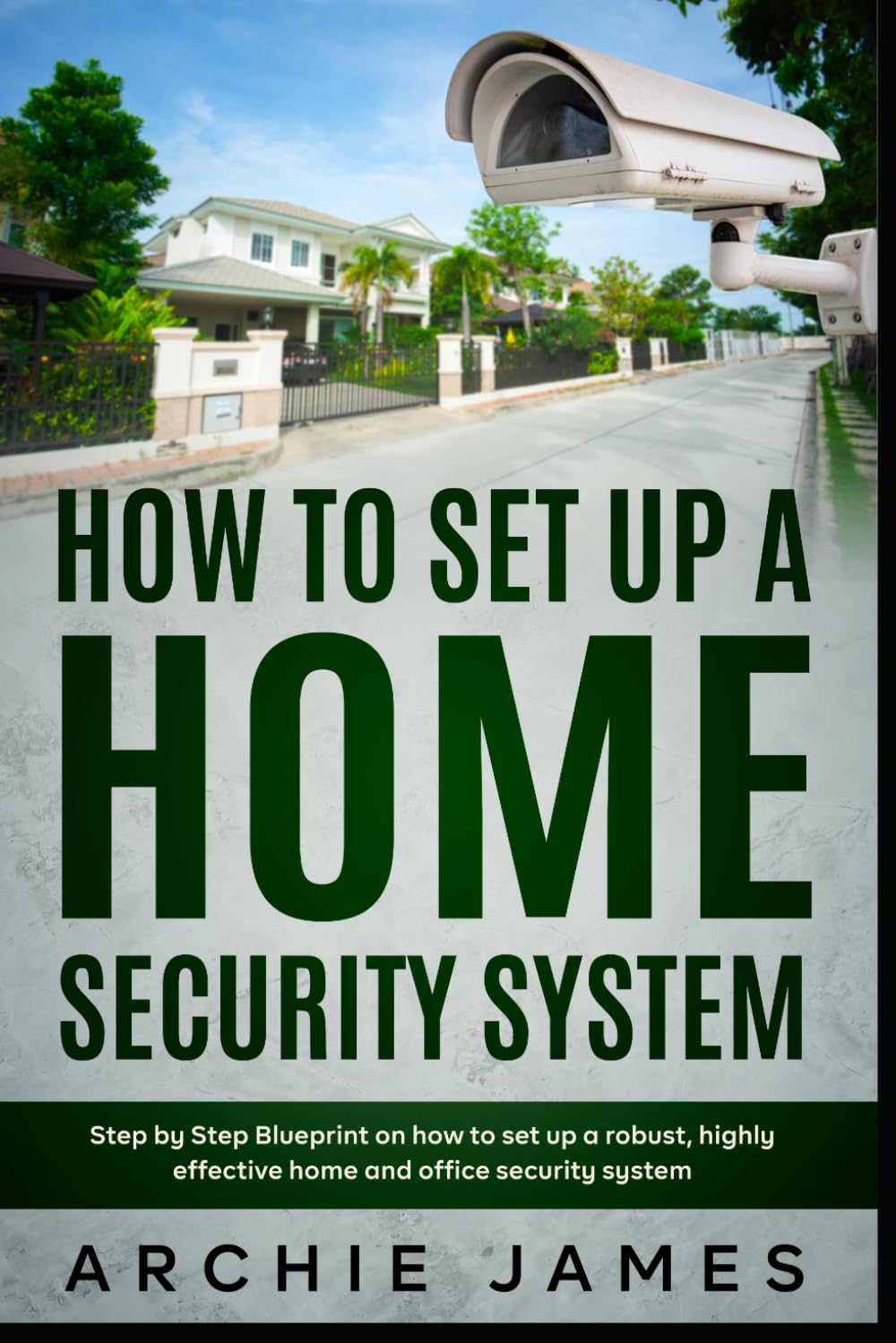
How to Set Up a Home Security System: Step-by-step Blueprint on How to Set Up a Robust, Highly Effective Home and Office Security System
A step-by-step blueprint for setting up a home or office security system, framed around building a robust, highly effective setup. A single-topic guide for a job that involves as much drilling and fishing as it does electronics.
Visit on Amazon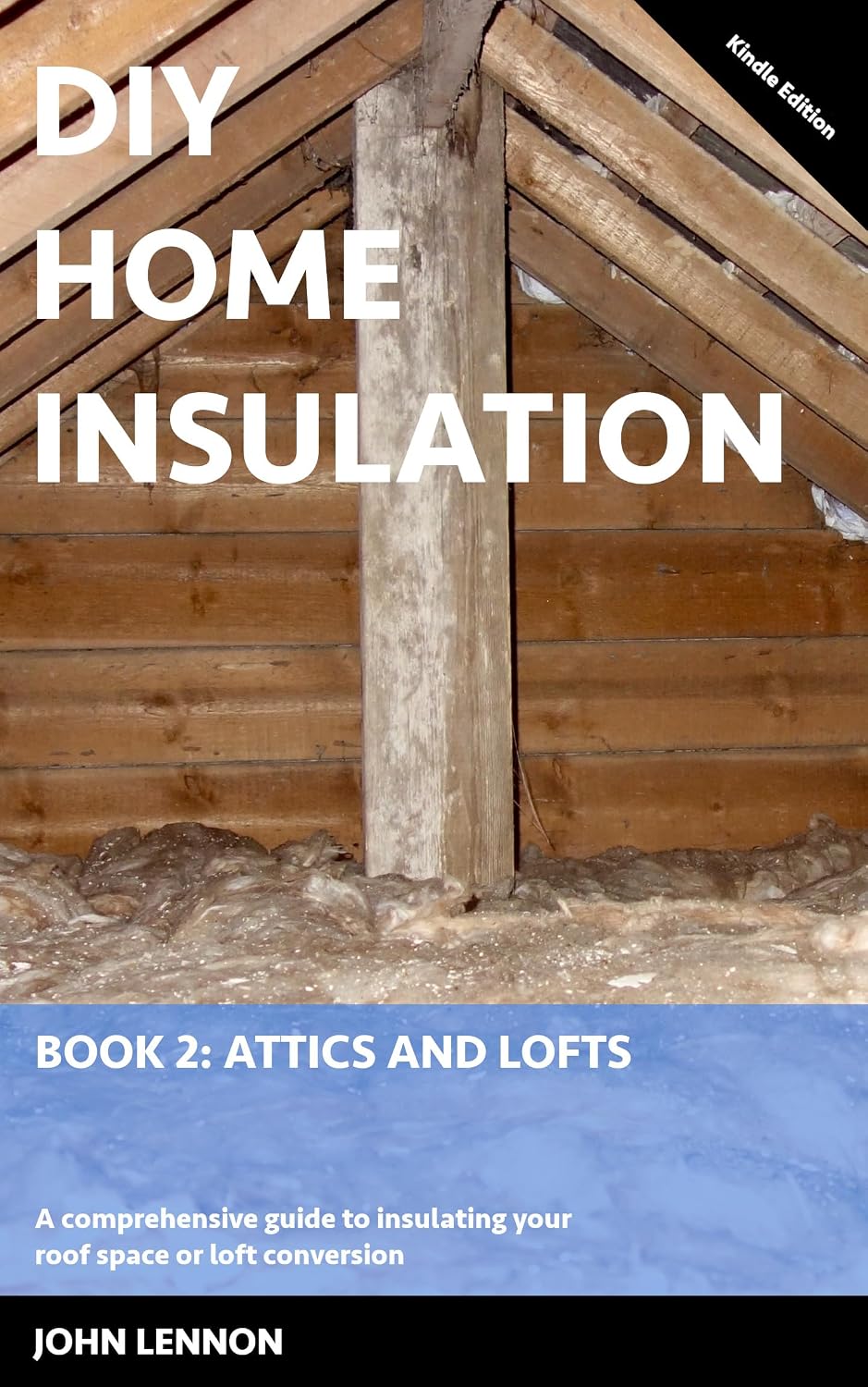
DIY HOME INSULATION: Book 2: Attics and Lofts: A comprehensive guide to insulating your roof space or loft conversion
The second volume of a focused insulation series, covering roof spaces and loft conversions. Narrow by design, which is exactly what you want when the whole job is one cold ceiling.
Visit on Amazon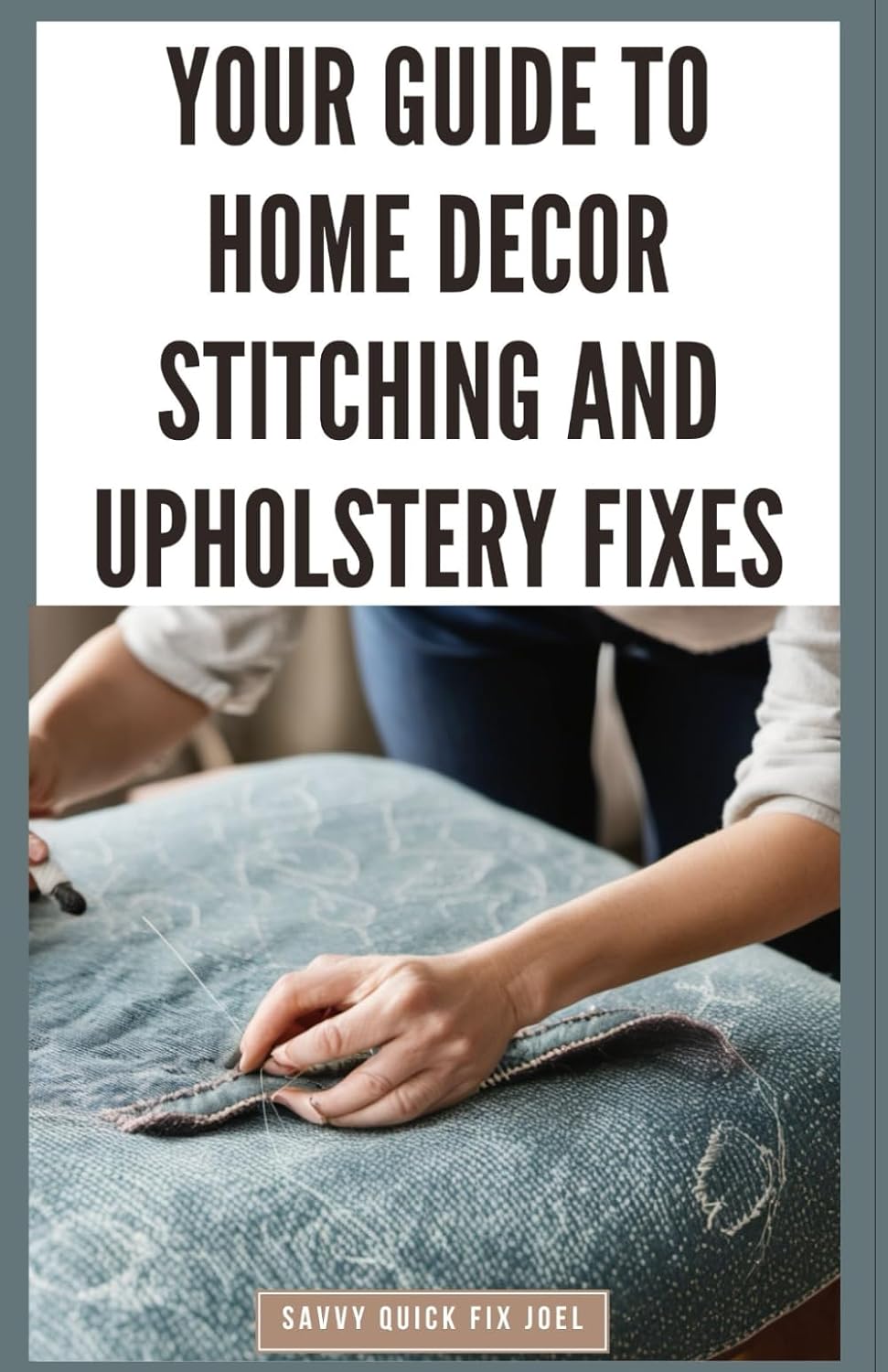
Your Guide to Home Decor Stitching and Upholstery Fixes: DIY Instructions for Upholstery Repairs, Pillow Stitching, Curtains and Professional Finish Results
DIY instructions for upholstery repairs, pillow stitching, and curtains, with an emphasis on professional finish results. The finishing end of a project, after the power tools have done their part.
Visit on AmazonPrices and availability may change. Check the retailer for current details.
How these products were compared
This guide compares subject scope, the step-by-step instruction format each title advertises, planning and checklist features, how narrow or broad the coverage runs, and how well each one works as a shelf reference you can flip through with gloves on. Product names, images, and retailer links are matched by ASIN so that every card points to the product shown.
What this comparison is not is a hands-on test. I have not torn these bindings apart on a jobsite, and I am not going to pretend otherwise. Everything here comes from what each publisher states about its own book plus the structural difference between a repair manual, a project organiser, and a single-topic specialty guide. That distinction matters more than anything else on this page. A tool does not care how much you spent on it if you point it at the wrong material, and the affordable power tools sitting in your shop are only as good as the plan you carry out to them.
The second thing worth naming is that these five titles do not compete with each other in any meaningful way. Four of them solve different problems, and one of them does not solve a problem at all, it prevents one. Treat the grid as a shelf, not a race.
How to choose the right guide for your affordable power tools
Start with the shape of the job, not the shape of the book. If something in the house is broken and you do not know the correct sequence of steps to fix it, you want a broad repair reference. That is the whole-house category, and it is where most homeowners should begin, because the first problem you hit is rarely the problem you planned for. If nothing is broken and you are staring down a season of upgrades, you want a planner, because the failure mode there is not bad technique, it is scope creep and a half-finished bathroom.
The second decision is depth versus width. A 300+ repair volume will get you through most of a house, but it will not walk you through a loft conversion inch by inch. When the project is one specific thing done properly, a single-topic guide beats a general one every time, and it usually costs less because it is not carrying four hundred pages of material you will never open. That is the honest logic behind the two specialty titles on this list.
The third decision is where the finish work lives. Power tools get you to bare wood, and then something has to happen to the fabric, the trim, or the wall. If your projects keep stalling at that stage, a finishing reference is not a luxury. For the tool side of the same question, my breakdown of brushless versus brushed motors covers where the money actually goes.
The last thing I will say about affordable power tools is that the cheapest purchase on the list is usually the one that tells you not to make the expensive purchase yet. Nobody has ever regretted reading for an hour before cutting.
Family Handyman Whole House Repair Guide Vol. 2
This is the top pick because it is the widest net in the lineup: 300+ step-by-step repairs, plus hints and tips, written for today's homeowners rather than for people who already know the answer. That format matters. A step-by-step repair sequence is what stops a Saturday project from becoming a weekday emergency, and breadth is what stops you from owning five narrow books that each cover one thing you already finished.
The trade-off is real and I will name it. A whole-house repair guide is a diagnostic and procedural reference, not a project planner and not a specialty text. It will not hold your material lists, and it will not go deep on attic ventilation or upholstery webbing. If your year is one big planned renovation rather than a string of unexpected breakdowns, you are buying the wrong book first, and the organiser below is the better starting point. Buy this one when you want a book that answers the question "how does this get fixed" across the entire house.
Alternatives to consider
The My Projects And Shit: Handy Room By Room DIY Organiser is better suited to planning and tracking 100 home projects room by room, with project and task checklists, sketch and materials space, and a rating field, while the How to Set Up a Home Security System is a stronger fit when the job is a single step-by-step blueprint for a home or office security setup.
The DIY HOME INSULATION: Book 2: Attics and Lofts and the Your Guide to Home Decor Stitching and Upholstery Fixes cover the two ends most general repair books skim: a focused volume on roof space and loft conversion insulation, and DIY instruction for upholstery repairs, pillow stitching, and curtains with an eye on professional finish results. One handles the envelope of the house, the other handles what goes back on top of it.
Day-to-day use and maintenance
A reference book is a tool, so treat it like one. Keep it in the shop or the truck, not on a bookshelf upstairs, because a guide you have to go find is a guide you will not use. Write in it in pencil. Note the date you did a repair, what you found when you opened the wall, and what you would do differently. Ten years from now that margin note is worth more than the chapter it sits next to, and it is the same reason I keep a graveyard wall of dead tools: the record is the lesson.
Use the planner for the boring part. Photograph the finished work and tape the print in, list the materials and the model numbers, and rate the result honestly. When the same repair comes around again, you will not be guessing about which bit, which anchor, or which sealant you used the first time.
On safety, the books will tell you what they tell you, but the rules that matter are the ones you apply before you pick up a tool. Kill the circuit at the breaker before you open anything electrical, confirm it is dead with a tester rather than trusting the label, wear eye protection when anything spins, and check your local code before you bury a repair behind drywall. A guide is a plan. It is not a permit, and it is not an inspector.
Buying checklist
- Match the book to the job shape first: broad repair, project planning, or one specialty topic.
- Choose depth versus width based on whether you are diagnosing or building.
- Confirm the exact volume, since the insulation title is Book 2 of a series and not a standalone whole-house text.
- Check the format details the publisher lists, including checklist, sketch, and materials pages if you plan to use it as a planner.
- Verify the current retailer price, availability, and return terms before you order.
Final recommendation
Choose the Family Handyman Whole House Repair Guide Vol. 2 when you want one broad reference for 300+ step-by-step repairs, hints, and tips covering the whole house, which is where most homeowners get the most use out of a single book.
Choose My Projects And Shit when the work ahead is a long list of planned projects that needs checklists, sketches, materials notes, and a place to record how each one turned out.
If the job is genuinely one thing, buy the specialty title instead of the general one: the security blueprint for a system install, the attics and lofts insulation volume for a roof space, or the stitching and upholstery guide for the finish work. That is how the best affordable power tools money gets spent well, on the tool the project actually calls for, after somebody read the plan first.