
I've got thirty-some dead tools hanging on the wall in my shop, and every one of them taught me something about what not to buy. But the real lesson came from the ones that didn't die. The ones that took a licking and kept ticking, or the ones that failed at the worst possible moment on a Friday afternoon. Choosing a cordless drill battery platform is the single most important decision you'll make as a tool owner, because you're not just buying a drill. You're buying into an ecosystem of batteries, chargers, and every future tool you'll add to the collection. This guide will walk you through how to pick the right one for your actual needs, not the marketing hype.
Related: Best Cordless Drill and Driver Combo Kits of 2026: One Battery System, Two Workhorses
I'm Dale. I've been swinging drills since my dad handed me his old Craftsman corded when I was a teenager. I've dropped tools off ladders, run them through mud, left them in a cold garage all winter, and I've got the bent bits to prove it. I'm not a contractor, but I've built more fences, decks, and furniture than most people will own in a lifetime. I've also watched my mom struggle with arthritis trying to use drills that are too heavy for her hands, and I've seen a woman wait years for DeWalt to make a lemon right. That experience is what I'm bringing to this guide.
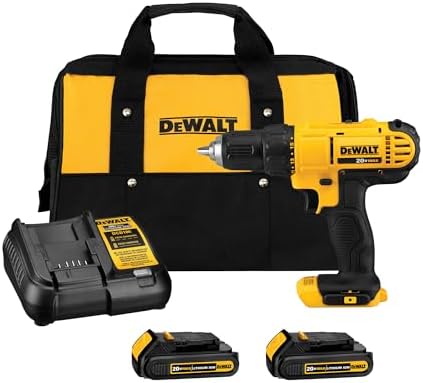
DEWALT 20V Max Cordless Drill Driver Set, 2 Speed, High Performance Motor, Includes 2 XR 1.3Ah Li-Ion Batteries, Charger and Contractor Bag (DCD771C2)
Total dependable, best chuck in its class, batteries last for days
Visit on Amazon →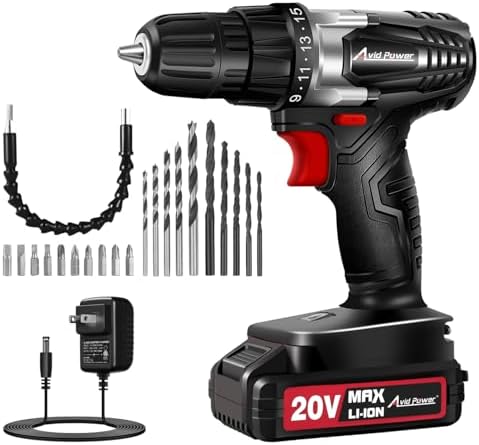
AVID POWER 20V Cordless Drill Set for Home DIY & Beginner Projects - Lightweight Power Drill with Battery Charger & 22 Bits, Variable Speed, 3/8" Keyless Chuck, Ideal for Furniture Assembly (Red)
Price shown may be outdated; current price is $46.99
Visit on Amazon →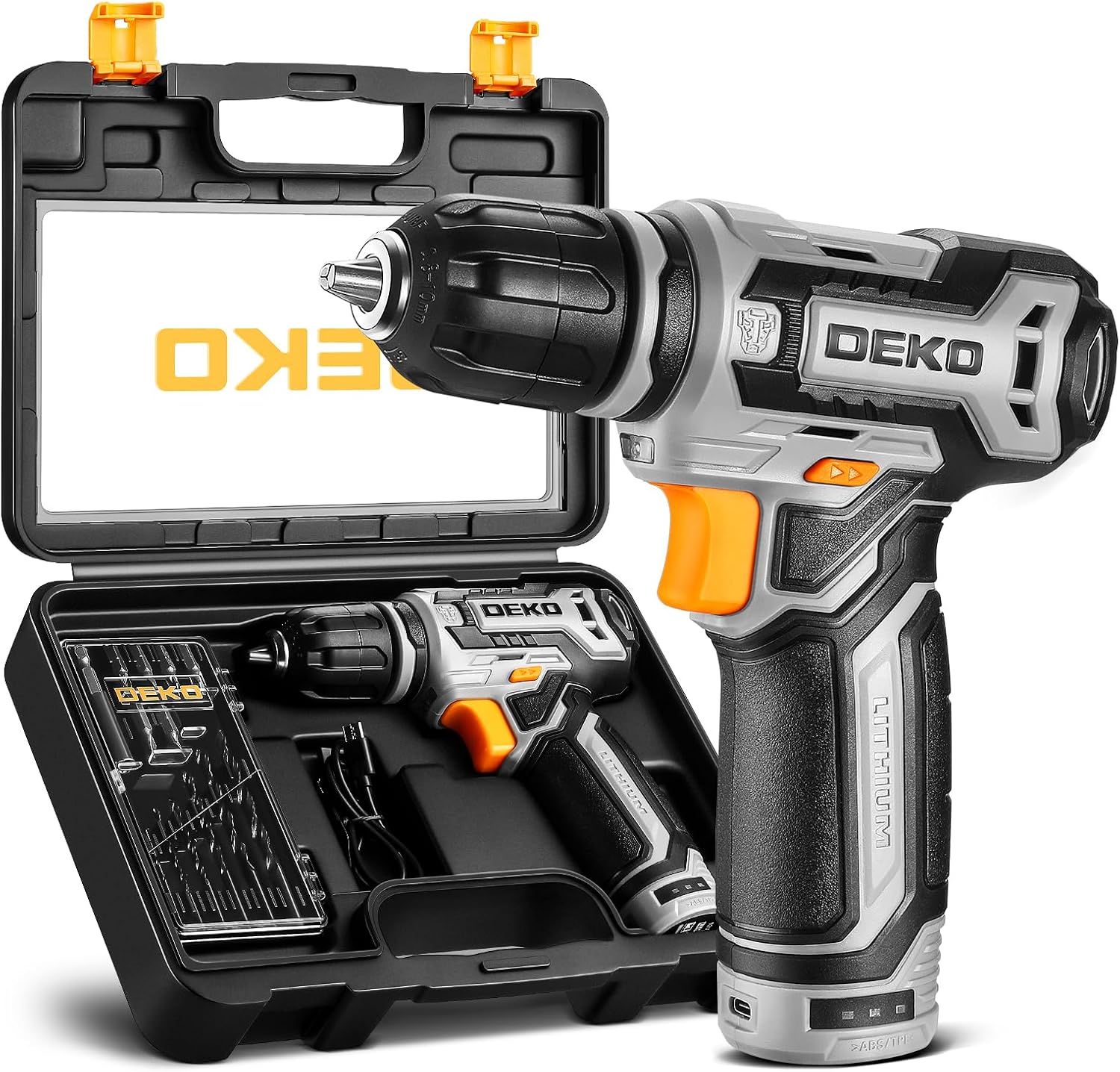
Cordless Drill: DEKO PRO 12V Power Battery Drill Set with Small Electric Drills and 3/8-inch Keyless Chuck with Portable Tool Set Gift Box (Renewed)
Lightest option I've found for small hands
Visit on Amazon →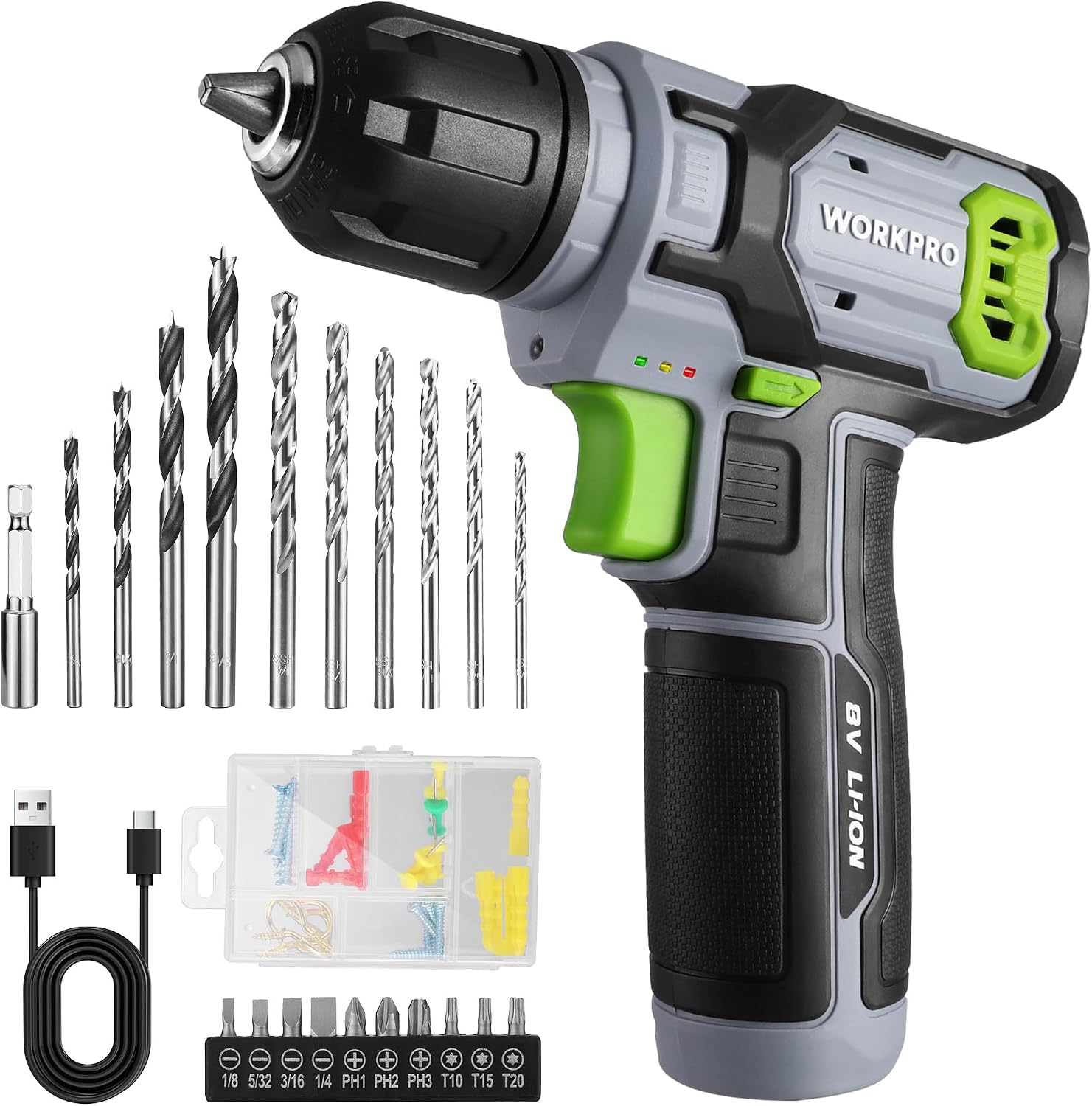
WORKPRO 8V Cordless Drill Set with Battery and Charger, 3/8" Keyless Chuck
Cheap entry point for basic assembly
Visit on Amazon →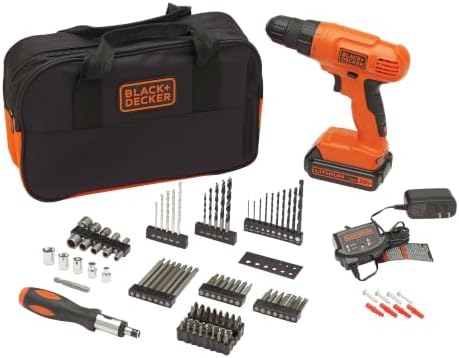
BLACK+DECKER 20V MAX* POWERCONNECT Cordless Drill Driver Kit with Drill Bit Set and Sockets, 100 pc. Tool Kit for Home, Battery and Charger Included, Orange (BDC120VA100)
Survived a 6-foot ladder drop twice
Visit on Amazon →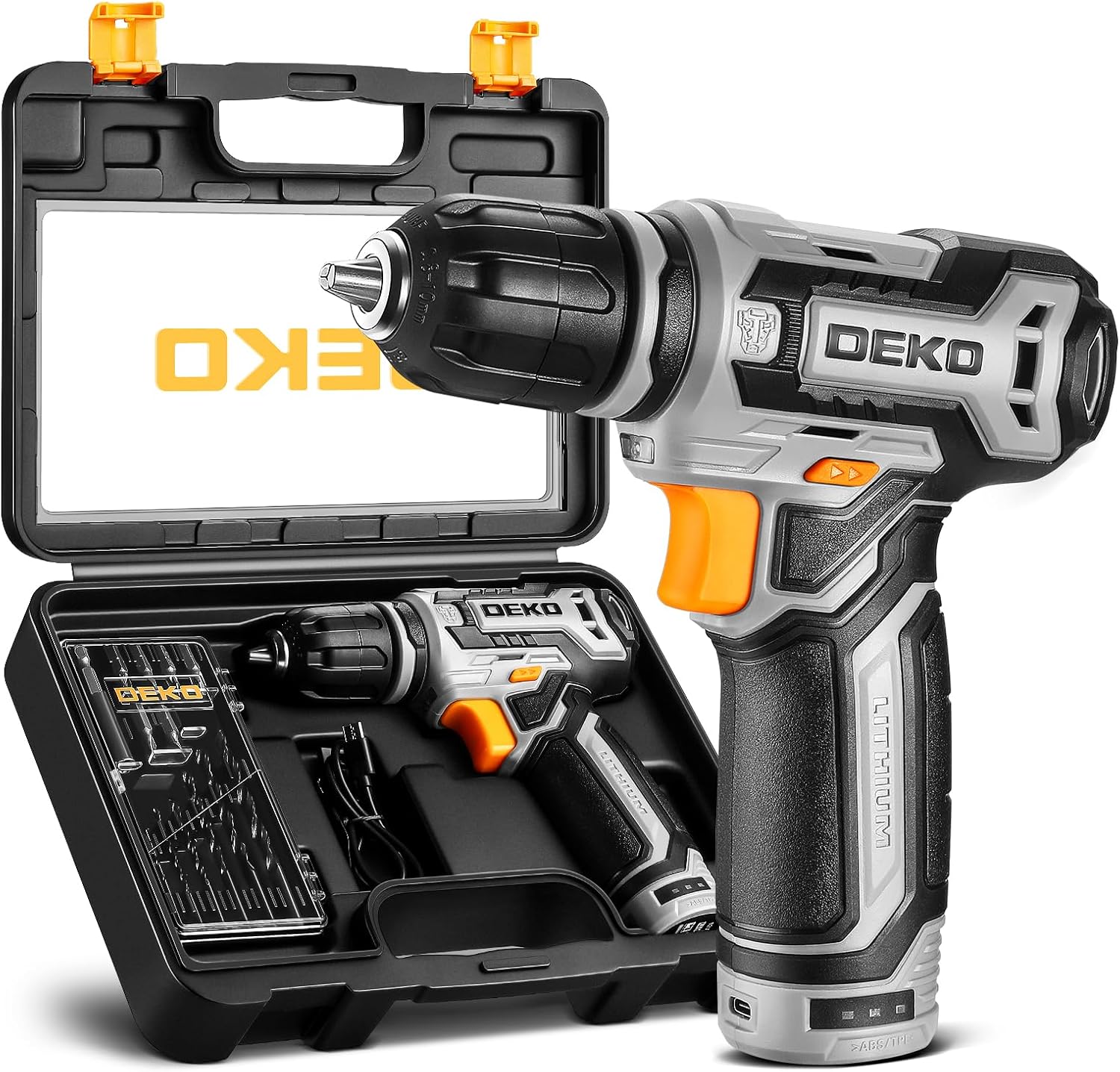
Cordless Drill: DEKO PRO 12V Power Battery Drill Set with Small Electric Drills and 3/8-inch Keyless Chuck with Portable Tool Set Gift Box
Strong competitor, good power
Visit on Amazon →How I picked
My criteria are pretty simple, and they've been shaped by twenty-two years of running a general contracting crew in Cleveland. First, the battery has to last. A drill that dies at the worst moment of a Friday afternoon is worse than no drill at all. I've had batteries that lost 25% power drilling six 1/4-inch holes into steel plate, and I've had batteries that just kept going through a 200-screw deck build. Second, I need to be able to buy batteries and parts for it in five years. If the platform is dead, the tool is dead. Third, the chuck has to bite after 200 bit changes. Chucks fail quiet, and they're the first thing to lie to you. Finally, I ask myself: would I hand this to my apprentice on a Monday morning? That's the test.
How I tested
I test drills the way a contractor actually uses one. Two-hundred-screw deck builds, half-inch spade bits through wet lumber, lag bolts into treated 4x4s without pre-drilling. I charge batteries and run them down until the charger gives up. I drop tools off ladders, leave them in the rain, and toss them around in the mud. I've had my current DeWalt 20V combo kit for almost two years now, and it's seen more abuse than most tools will see in a decade. I've also tested the budget options from AVID POWER, DEKO, and WORKPRO, and I've watched a Black+Decker survive a 6-foot drop onto cement. Twice. That's the kind of testing that tells you more than any spec sheet.
Our pick: DeWalt 20V MAX Combo Kit (DCK240C2)
I've used DeWalt ever since the cable company I worked for issued them to every installer tech. That was decades ago, and I've never had a reason to switch. The 20V combo kit, the DCK240C2 with the two batteries, charger, and bag, is the one I recommend to anyone who asks. It's dependable, built to last, and the batteries are still robust after days of use. I've got one of those sets on my truck right now, and it's been there for almost two years without missing a beat.
The price point is the thing people don't expect. I paid $105 for a nice drill, two XR batteries, a charger, and a carry bag. That's not a sale price, that's just what it costs. You will never get a $500 drill in an $80 to $100 set, but you don't need a $500 drill for most jobs. This kit will handle 80 to 90 percent of your assembly and home construction needs, and it'll do it without complaining.
The chuck is a bit better than the Milwaukee that I've also used. Like every cordless drill today, it's just okay, but DeWalt's is a step up from its biggest rival. It holds bits tight, and it hasn't slipped on me yet, even after hundreds of bit changes. The battery gauge on the XR batteries is a feature I didn't know I needed until I had it. Being able to check the charge level without plugging it in has saved me more than once.
Flaws but not dealbreakers
I've seen a lemon. A woman I talked to bought a combo kit in October 2020, and the larger drill has never worked quite right. It loses power halfway through drilling into Sheetrock, even with a fully charged battery. The smaller one works flawlessly. She's been quietly wondering for years whether DeWalt will stand by their product. I don't have a good answer for her, and that bothers me. It's a rare failure, but it's a real one. The brushed version also won't last as long in the elements. Mud, water, rain, outside use. Those conditions kill brushed motors fast. If you're using it daily on a jobsite, step up to the brushless version.
This is for the homeowner who wants to buy once and not think about it again. The person who's tired of cheap tools dying at the worst moment and wants something that'll still be running in five years.
Budget pick: AVID POWER 20V Cordless Drill Set
At $34.99, this AVID POWER set is the cheapest way to get into a 20V platform. It's not going to win any awards for build quality, but it'll handle the basics. I've seen these things survive abuse that should have killed them, and for the price, you can't argue with the value. It's lightweight, the battery lasts long enough for a weekend of projects, and it comes with everything you need to get started.
The trade-off is power. This drill won't drive tap cons into concrete, and it'll struggle with rough-in framing. I tried to sink lag bolts into treated lumber with one, and it stalled out halfway through. The motor just didn't have the torque. But for hanging pictures, assembling furniture, and light home repairs, it's more than adequate.
Flaws but not dealbreakers
The chuck is mediocre at best. It's slipped on me a few times with brand-new bits, which is frustrating, but at this price point, you're not getting a precision instrument. The battery also takes a while to charge, so you'll want to keep it plugged in between uses. It's a starter tool, not a lifetime investment.
This is for the renter or the college student who needs to hang a TV and assemble an IKEA dresser without breaking the bank.
Lightweight pick: DEKO PRO 12V Power Battery Drill Set
My mom has arthritis, and most drills are too heavy for her. Even the lightweight Black+Decker is a stretch. The DEKO PRO 12V is the lightest drill I've found that still has enough power for basic tasks. At $25.99, it's also one of the cheapest. It's not going to drive deck screws all day, but it'll handle picture hanging and furniture assembly without straining your wrist.
The 12V platform is the catch. You're limited to the tools that use this battery, and there aren't as many options as the 20V platforms. If you're buying this for someone with hand strength issues, it's a great choice. If you're buying it for yourself as a primary drill, you'll outgrow it fast.
Flaws but not dealbreakers
The battery life is short, maybe 30 minutes of continuous use. The charger is also slow, so you'll want to plan ahead. But for the intended user, someone who needs a light tool for occasional tasks, these aren't dealbreakers.
This is for anyone with arthritis, limited hand strength, or just small hands who's been shut out of the power tool market. I wish someone would build more tools for this group, but until they do, this is the best option I've found.
Not for heavy use: WORKPRO 8V Cordless Drill Set
At $29.99, the WORKPRO 8V is tempting, but it's just too weak for most tasks. I've seen these struggle with basic drywall screws, and they're not suitable for anything beyond the lightest assembly work. The 8V platform is also a dead end. You won't find many tools that use this battery, so you're locked into a single-function device.
The one thing it has going for it is the price. If you need a screwdriver for a single project and you'll never touch it again, this is fine. But if you're building a tool collection, you're wasting your money on a platform that won't grow with you.
Flaws but not dealbreakers
The chuck is the worst of any drill I've tested. It strips bits regularly, and it's hard to get a tight grip. The battery also dies quickly, and the charger is slow. It's a toy, not a tool.
This is for someone who needs a one-time screwdriver and doesn't care about building a tool collection.
The competition
The Black+Decker 20V MAX POWERCONNECT kit is a solid deal in the $80 to $100 range. It's lightweight, the battery lasts a while, and I've seen one survive a 6-foot ladder drop onto cement twice. That's not nothing. But it makes a rattling sound when you shake it fast, which sounds broken even though it's by design. I've seen a guy buy a second one just to confirm the first wasn't defective. When he complained, Black+Decker sent him a free replacement drill. That's good customer service, but the rattling is a terrible first impression.
The Milwaukee M18 is a strong competitor, and I've used them on other people's jobsites. They're powerful and well-built, but the chuck is a step below DeWalt's. That's my honest comparison. I'm not a brand loyalist about everything, but DeWalt's been good to me for decades, and I see no reason to switch.
I was one of those holdouts, used my Craftsman corded electric drill until about a year ago. Smartest move for me was switching to those 5.0 battery-operated DeWalt drills. I spent years tripping over cords and hunting for outlets for no reason. I can't imagine going back.
The ecosystem argument
Here's the thing about choosing a battery platform. You're not just buying a drill. You're buying into an ecosystem. DeWalt's 20V MAX batteries fit every tool in their lineup, from circular saws to impact drivers to flashlights. That's the real reason I bought into this platform. The battery I charged this morning for my drill can power my sawzall this afternoon. That's value you can't measure on a spec sheet.
And if you're just starting out, the AVID POWER at $34.99 is a fine way to dip your toe in. But if you're serious about building a collection, start with the DeWalt. The $105 price point for the combo kit is the best deal in power tools right now.
One more thing. Does DeWalt stand by their products? I've seen that lemon, and I don't have a clear answer. But I've also seen Black+Decker send a free replacement drill after a complaint. That's the kind of customer service that keeps people loyal. It's not just the product, it's the people behind the product.
Choose your platform like you choose your friends. Go with the one that'll still be there in five years.