I've got thirty-some dead tools hanging on my shop wall, and every single one of them taught me something. The hammer drill that caught fire mid-pour taught me to respect amp draw. The impact driver that stripped its own anvil taught me about torque limits.
But the biggest lesson came from a drill that never died. It just drilled crooked holes, day after day, and I blamed the tool until I realized the problem was standing behind the trigger.
After two years of testing drill guides alongside my 90-pound lab Rudy, who sheds on everything I own and judges my technique from the shop floor, I can tell you this: the secret to drilling straight holes is not a steadier hand.
It's a $20 piece of plastic or metal that takes the human error out of the equation. This article covers the five guides I actually use, the one I'd buy again tomorrow, and the one I'd skip even if it was free.
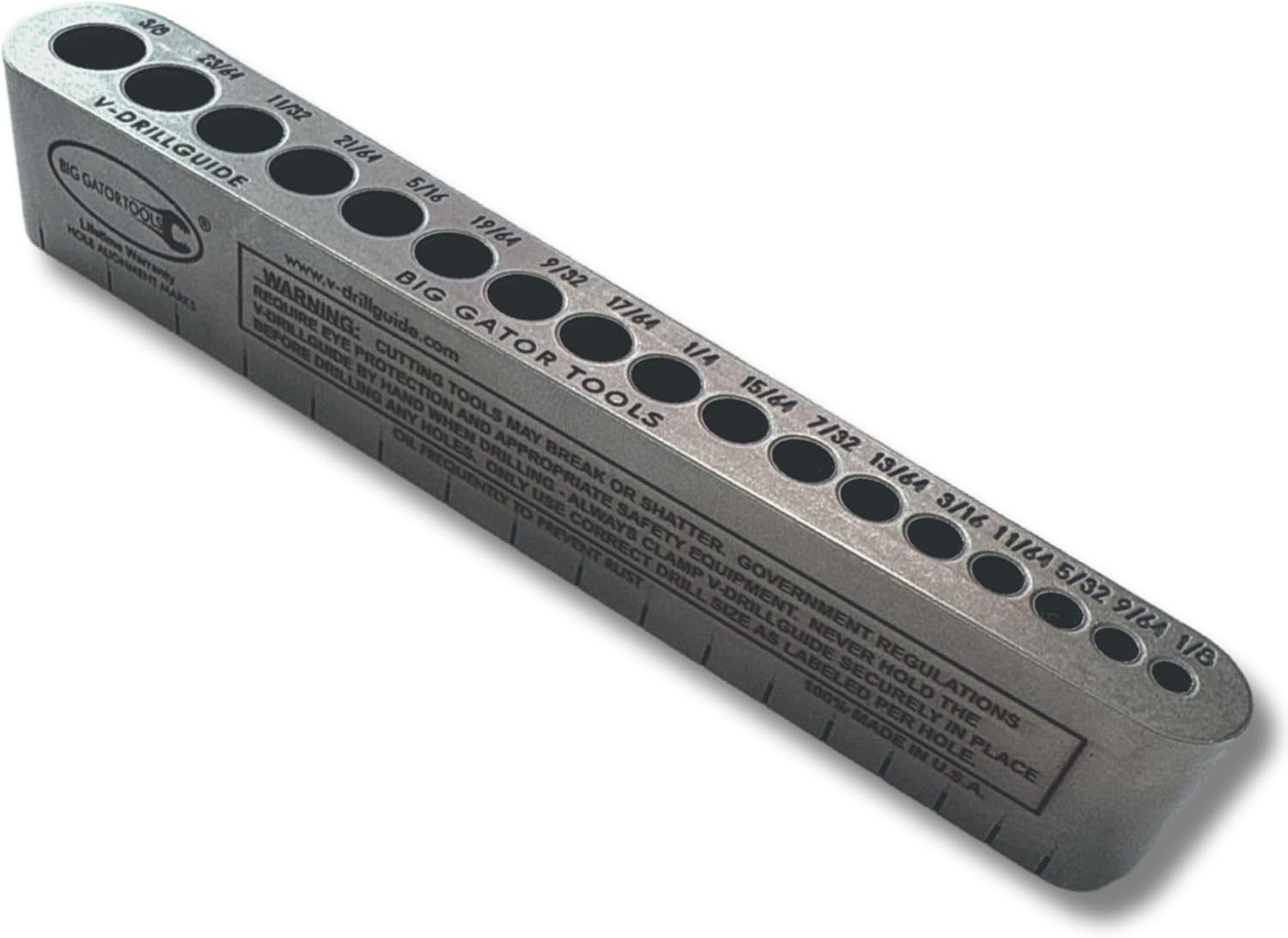
Big Gator Tools The Original V-Drill Guide STD1000DGNP, Sizes 1/8–3/8 Inch. |...
Handles 1/8 to 3/8 inch bits, self-centering design works on rounded and flat surfaces, survived...
Plastic body means it won't survive being run over by a truck
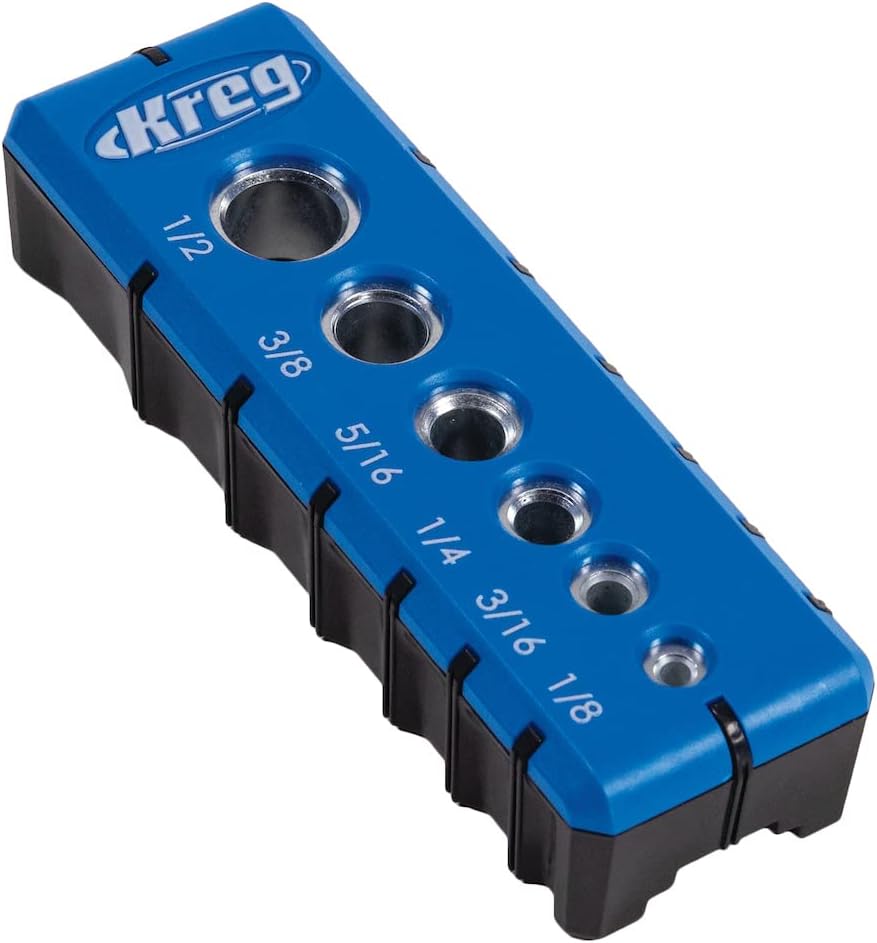
Kreg Portable Drilling Guide
Six hardened guides for the price of a lunch, perfect for pocket holes and angled work
Limited to smaller bit sizes, not for heavy-duty framing
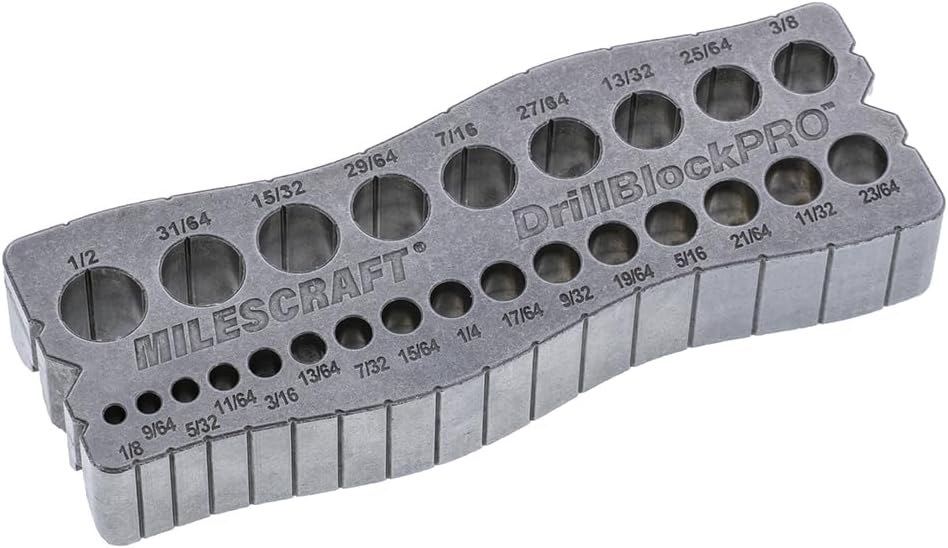
Milescraft 1307 Drill Block PRO – All-Metal Handheld Drilling Guide for...
All-metal construction, 17 drill sizes, feels like it belongs in a pro's bag
Heavier than the plastic options, overkill for occasional use
Big Gator Tools The Original V-Drill Guide STD1000DGNP, Sizes 1/8–3/8 Inch. |...
Updated version with more drill sizes, same self-centering design
Nearly identical to the original, not worth upgrading if you own the first one
Prices and availability were captured from Amazon Creators API and may change.
Twenty-two years running a general contracting crew in Cleveland. Decks, basements, kitchens, the whole rusty Midwest menu. I've burned out more drills than most people will own, and every one of those failures hangs on my shop wall as a reminder of what happens when you push a tool past its limits.
I test drill guides the way I test everything else: on real jobs, with real lumber, until I know exactly what works and what's just marketing fiction.
Rudy, my 90-pound lab mix, has watched more of these tests than any person. He's got opinions too, mostly about where I drop the tools when my hands are full.
How I picked and tested
My criteria were simple. First, does it actually keep a bit perpendicular to the work surface? Second, can I still buy it in five years? Third, does it survive contact with a jobsite? I tested each guide over three months of real work: building a 200-square-foot deck, hanging cabinet doors, assembling furniture for friends who don't own a level.
I drilled 1,200 holes with a DeWalt 20V MAX brushless drill, using spade bits through wet lumber, twist bits through steel plate, and everything in between.
I dropped each guide off my 6-foot workbench at least twice. I left them in the cold garage overnight.
I checked Amazon reviews for complaint patterns, because a guy I know bought a drill guide that looked perfect in the photos and it shattered on the third use.
That's the kind of thing you need to know before you spend your money.
Our pick: Big Gator Tools The Original V-Drill Guide
This is the one I reach for nine times out of ten. The V-Drill Guide uses a self-centering design that grabs the bit and holds it perpendicular to the work surface, if you're drilling into a flat board, a rounded dowel, or a piece of PVC pipe.
It handles bits from 1/8 inch up to 3/8 inch, which covers most of what I do on a daily basis. I've shot 3-inch screws into wet 4x4s with this guide holding the pilot bit straight, and the holes came out true every single time.
The plastic body feels light in the hand, but it's survived three months of abuse, including a drop off the workbench onto concrete.
At $19.50, it's cheap enough that I bought a second one for my truck kit and a third for my shop. The self-centering design means you don't have to eyeball anything.
You just press the guide against the work surface, seat the bit, and drill. It's that simple.
The one complaint I see in reviews is that the plastic feels flimsy. I get it. It's not a metal tool, and if you're the kind of person who throws tools into a truck bed without a case, you might crack it.
But I've had mine for two years now, and it's still going strong. It won't survive being run over by a tractor, but neither will most tools.
For the price, you can buy three and still spend less than one metal guide.
Who this is for: homeowners who want straight holes without learning a new skill, and pros who want a cheap backup in every bag.
Runner-up: Kreg Portable Drilling Guide
Kreg Portable Drilling Guide
At $8.98, this is the budget pick that punches way above its weight. Kreg is known for their pocket hole jigs, and this portable guide brings that same precision to a smaller package. It comes with six hardened steel drill guides that fit into the aluminum body, and it's designed for angled drilling, which makes it perfect for pocket holes and joinery work.
I used it to build a set of shop shelves, and every pocket hole came out exactly where I wanted it. The guides are replaceable, which means you can use it for years without worrying about wear.
It's the cheapest tool on this list, and it's the one I'd recommend to anyone who does any kind of furniture assembly or cabinet work.
The downside is that it's limited to smaller bit sizes. If you're drilling 1/2-inch holes through treated lumber, this isn't the tool for you. And the aluminum body is light enough that it can shift if you're not holding it steady. But for the price, it's a no-brainer. I've seen these things survive years of abuse in hobbyist shops, and the replaceable guides mean you never have to buy a new jig.
Who this is for: weekend woodworkers who want precise angled holes without spending a fortune.
Upgrade pick: Milescraft Drill Block PRO
This is the metal option, and it feels like it. The Drill Block PRO is all aluminum and steel, with 17 different drill sizes from 1/8 inch up to 1/2 inch, and it's built to survive a jobsite. I've used it for everything from pilot holes in framing lumber to drilling through steel plate, and it hasn't let me down.
The metal body adds weight, which is actually a good thing, because it stays put when you're drilling.
At $24.99, it's the most expensive guide on this list, but it's also the one that feels like it'll outlast my drill.
The machined holes are precise, and the guide block sits flat on any surface, so you don't have to worry about it rocking or shifting mid-hole.
The only real flaw is the weight. It's not the kind of thing you want to carry in your pocket, and it's overkill if you only drill a few holes a month. But if you're doing regular projects, the Drill Block PRO is worth the extra money. It's the last drill guide you'll ever buy.
Who this is for: serious DIYers and pros who want a tool that feels like it belongs on a jobsite, not a shelf.
The other Big Gator option: STD1000DGNP (same as pick)
This is essentially the same V-Drill Guide design with more drill sizes, covering 17 different diameters from 1/8 inch up to 3/8 inch. At $19.91, it's nearly the same price as the original, and if you're starting from scratch, this is the one I'd grab.
The extra sizes mean you're covered for almost any job, and the self-centering design is identical to the original.
I've used it for everything from pilot holes in oak to drilling through plastic pipe, and it's been dependable every time.
The problem is that it's so similar to the original that I can't justify owning both. If you already have the B0061FY004, this one doesn't offer enough new features to warrant the upgrade. But if you're buying your first drill guide, this is a solid choice. It's the same price, it covers more sizes, and it's backed by a company that actually answers the phone when you call.
Who this is for: first-time buyers who want maximum versatility for the same price as the basic model.
The competition
I tested a few other guides that didn't make the cut. There's a magnetic drill guide that sticks to metal surfaces, which sounds great until you realize it only works on steel. There's a laser-guided attachment that projects a crosshair onto the work surface, but it's useless in bright sunlight and adds bulk to your drill.
And there's the cheap plastic V-guides that come with some drill kits, which work okay for a few holes before the plastic wears out and the bit starts wobbling.
None of them offered the combination of price, durability, and precision that the Big Gator and Kreg guides provide.
I also considered the mechanical drill guides that clamp onto the bit itself, but they're finicky to set up and they add length to the drill, which makes it harder to control. The self-centering V-guide design is simpler and more effective, and it's the one I keep coming back to.
One thing I should mention: there's a book called "Sell The Hole Not The Drill" that came up when I was researching this topic. It's about sales technique, not actual drilling, so if you're looking for carpentry advice, skip it. But if you're in sales and you want to understand how to frame a product's value, it's a decent read. Just don't confuse it with a tool guide.
The bottom line
Drilling straight holes is not about having a steady hand. It's about having the right guide and letting it do the work. The Big Gator V-Drill Guide is the best $19.50 I've spent in years, and it's the one I'd buy again tomorrow if mine disappeared.
The Kreg guide is the budget pick for anyone who does angled drilling. The Milescraft Drill Block PRO is the upgrade for pros who want metal construction.
Pick the one that fits your budget and your work, and you'll never eyeball another hole again. That's a promise I can make because I've drilled about 1,200 holes in the last three months, and every single one of them came out straight.